How to Build Buyer Personas When You Have Zero Customer Data
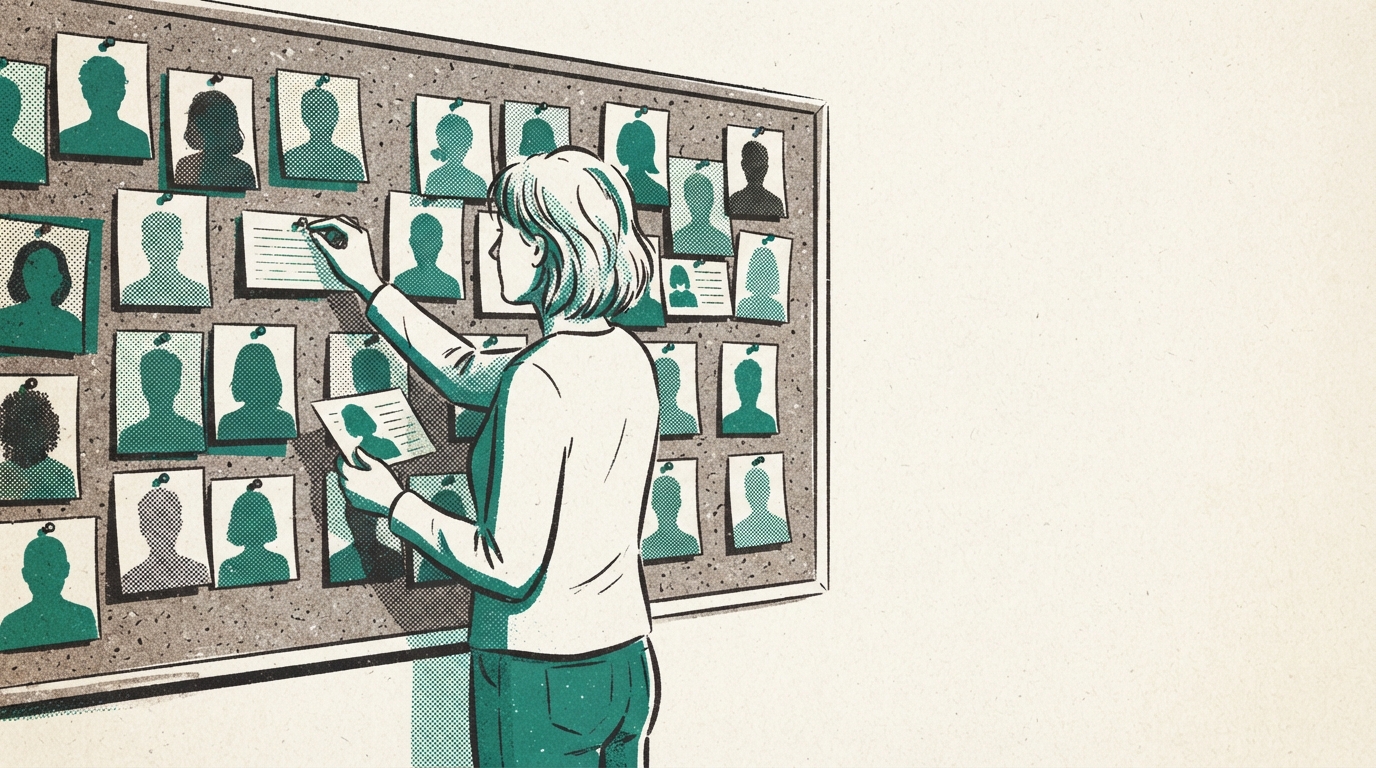
You do not need existing customers to build a useful buyer persona. You need three things you almost certainly already have access to: the public language your prospective buyers use to describe their problem, a clear-eyed list of who is already selling to them, and a way to turn both into something specific enough to write a headline against. Here is the method, in order.
Start with the problem's public language, not your own product's
Before you write a single persona, go find where the people you want to sell to are already complaining, asking, or comparing options in public: review sites for adjacent tools, relevant subreddits, LinkedIn comment threads under competitor posts, and G2/Capterra reviews of anything even loosely in your category. Copy their exact phrasing. If prospective buyers of a scheduling tool keep writing "double-booked" instead of "inefficient calendar management," that word is worth more than any demographic bracket.
Separate the buyer from the user
Most B2B products have at least two people in the room: the person who will use the product daily and the person who approves paying for it. A persona that blends both into one generic "decision-maker" produces messaging that satisfies neither. Write them as two separate personas with two separate objections — the user usually objects on friction and learning curve, the buyer usually objects on cost and risk.
Give every persona a job to be done, not just a title
"Marketing Manager, 35-44, mid-market SaaS" describes a demographic, not a persona. "Runs paid and organic for a 12-person marketing team, personally responsible for pipeline numbers, currently guessing at audience segments because there is no budget for a research tool" describes someone you can write a headline to. The second version tells you what to say and where they will actually read it.
Name the objection before you write a single ad
Every real persona has a specific reason they have not already solved this problem. It is rarely "I don't see the value" — it is usually something narrower: "the last tool we tried took three weeks to onboard," or "I don't trust AI-generated research without a source." Write that objection down explicitly. It becomes the actual brief for your creative, not an afterthought.
Where this is faster with a research tool
This process works by hand, but it is slow: pulling review-site language, cross-referencing competitor positioning, and drafting objection-aware personas for even two segments is a half-day of research per company. Populica runs the same method against a company's own name, website and sector and returns 8-16 sector-specific personas — each with a stated objection and tone, not a demographic average — in a few minutes, then carries those personas straight into a campaign brief and on-brand creative.
See what Populica generates for your own company — free, no credit card.
Start free →Test the persona before you trust it
Whether you built the persona by hand or generated it, the next step is the same: write one piece of creative against it and watch what actually gets a reaction, in a sales call, a support ticket, or an ad's comment section. A persona is a hypothesis until real people respond to something written for it.
Ready to turn a persona into a full campaign brief and creative?
See plans and pricing →Frequently asked questions
What is a buyer persona, exactly?
A buyer persona is a specific, named representation of one segment of your real or likely audience, built from actual behavior and stated preferences rather than a demographic average. A useful persona describes what the person is trying to accomplish and what stops them from buying, not just their age and job title.
Can you build accurate personas before you have any customers?
You cannot build validated personas with zero data, but you can build well-reasoned starting personas from public signals: the language on competitor review sites, the questions people ask in relevant forums and subreddits, and the objections your own sales conversations already surface. Treat them as a hypothesis to test, not a finished answer.
How many personas should a small business start with?
Two to four is usually enough for a company with one core product. More than that and most campaigns end up targeting all of them at once, which defeats the point of having personas in the first place.
How is this different from a target market description?
A target market description is a category ("small dental practices in Florida"). A persona is a specific person inside that category with a specific job to be done, specific objections, and a specific channel where they can actually be reached.